top of page
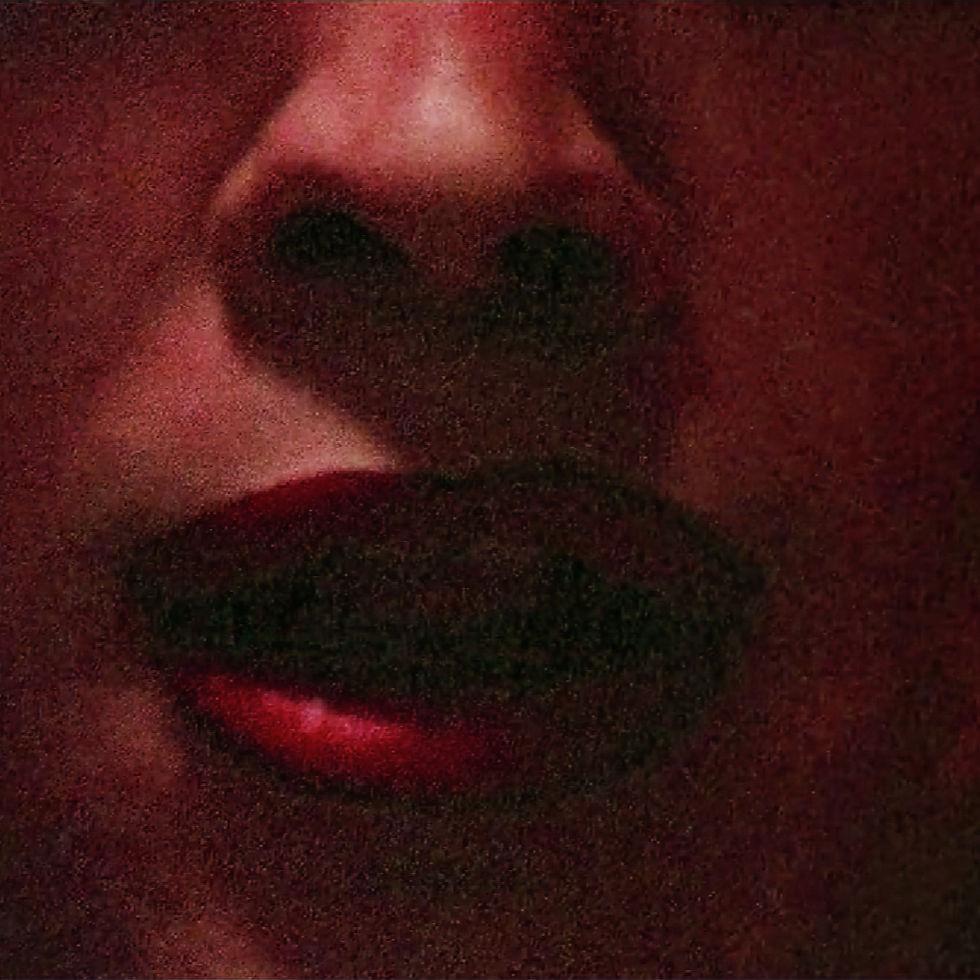
© Danielle Katvan, The Foster Portfolio (official trailer)
© Copyright
FILM FEST 2026
To play, press and hold the enter key. To stop, release the enter key.


FILM CURATORS
Susan Hillary
Michael Pomarico
The festival presents a curated program of short films spanning documentary, experimental practice, performance, animation, and artists’ moving-image work. Together, these films position cinema as a vital form of artistic inquiry, capable of opening dialogue and shaping new ways of seeing.
Through screenings and shared conversation, the festival creates a space for filmmakers and audiences to consider how artists interpret personal experience, social conditions, memory, and place.
Extending the international community of The Pictorial List and the Pictorial Foundation, the program reflects a commitment to visual storytelling as a means of deepening understanding, preserving lived experience, and connecting audiences across cultures.
FILMMAKERS
CAROL BASH
MARTIN DOMINGUEZ
R.A. FEDDE
JAMES JACKSON
DANIELLE KATVAN
LEN LYE
EILEEN MACAVERY
VALERIA PAZOS
MADISON POMARICO
VICTOR STABIN
and SUSAN HILLARY
FILMS

Black When I’m Blue (Part 1) (2026)
DIRECTED BY CAROL BASH
Runtime 2:22 min
The first instalment of a three-part, two channel installation that re-imagines Black people’s power within the universe through an Afro-futuristic lens. Part 1 explores the climate crisis which escalated on the planet Auma 5,000 years ago which affected the human-like inhabitants, known as Aum, and the planet’s fauna. Some Aum ultimately leave to scout out other habitable planets.
Parts 2 and 3 are in development.
Carol Bash is an award-winning documentary filmmaker, photographer, and founder of Paradox Films, based in Peekskill, New York. Across more than twenty-five years, her practice has examined African American identity, history, culture, and liberation through archival research, documentary narrative, and close observation. Carol has contributed to productions as a director, producer, cinematographer, and archival producer, while supporting film through programming and mentorship. Her work uses the moving image to recover overlooked histories and expand their presence within contemporary culture.
Runtime 2:22 min
The first instalment of a three-part, two channel installation that re-imagines Black people’s power within the universe through an Afro-futuristic lens. Part 1 explores the climate crisis which escalated on the planet Auma 5,000 years ago which affected the human-like inhabitants, known as Aum, and the planet’s fauna. Some Aum ultimately leave to scout out other habitable planets.
Parts 2 and 3 are in development.
Carol Bash is an award-winning documentary filmmaker, photographer, and founder of Paradox Films, based in Peekskill, New York. Across more than twenty-five years, her practice has examined African American identity, history, culture, and liberation through archival research, documentary narrative, and close observation. Carol has contributed to productions as a director, producer, cinematographer, and archival producer, while supporting film through programming and mentorship. Her work uses the moving image to recover overlooked histories and expand their presence within contemporary culture.
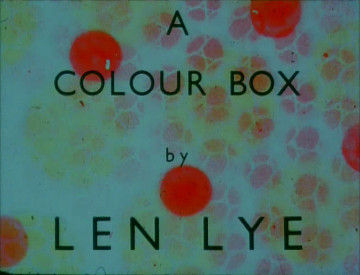
A Colour Box (1935)
DIRECTED BY LEN LYE (1901 – 1980)
Runtime 2:56 min
A Colour Box transforms hand-painted celluloid into a vivid choreography of color, line, movement, and sound. Rejecting conventional narrative, Len Lye allows abstract forms to pulse across the screen in direct response to music. The film remains an influential landmark of experimental animation and moving-image practice today.
Len Lye (1901–1980) was a pioneering New Zealand-born artist whose work transformed the possibilities of experimental film. His films approached the moving image as an independent art form rather than a vehicle for conventional narrative. Across animation, photography, painting, and kinetic sculpture, he maintained a lifelong interest in motion as a creative force.
Runtime 2:56 min
A Colour Box transforms hand-painted celluloid into a vivid choreography of color, line, movement, and sound. Rejecting conventional narrative, Len Lye allows abstract forms to pulse across the screen in direct response to music. The film remains an influential landmark of experimental animation and moving-image practice today.
Len Lye (1901–1980) was a pioneering New Zealand-born artist whose work transformed the possibilities of experimental film. His films approached the moving image as an independent art form rather than a vehicle for conventional narrative. Across animation, photography, painting, and kinetic sculpture, he maintained a lifelong interest in motion as a creative force.

Kaleidoscope (1935)
DIRECTED BY LEN LYE (1901 – 1980)
Runtime 3:13 min
Kaleidoscope extends Len Lye’s experiments with direct animation through stenciled forms, hand-applied color, and Cuban-inspired music. Commissioned as an advertisement, the film exceeds its commercial purpose, becoming a vibrant study of motion, abstraction, and optical sensation that reveals cinema’s capacity for pure visual invention through moving images.
Len Lye (1901–1980) was a pioneering New Zealand-born artist whose work transformed the possibilities of experimental film. His films approached the moving image as an independent art form rather than a vehicle for conventional narrative. Across animation, photography, painting, and kinetic sculpture, he maintained a lifelong interest in motion as a creative force.
Runtime 3:13 min
Kaleidoscope extends Len Lye’s experiments with direct animation through stenciled forms, hand-applied color, and Cuban-inspired music. Commissioned as an advertisement, the film exceeds its commercial purpose, becoming a vibrant study of motion, abstraction, and optical sensation that reveals cinema’s capacity for pure visual invention through moving images.
Len Lye (1901–1980) was a pioneering New Zealand-born artist whose work transformed the possibilities of experimental film. His films approached the moving image as an independent art form rather than a vehicle for conventional narrative. Across animation, photography, painting, and kinetic sculpture, he maintained a lifelong interest in motion as a creative force.

The Bonito is Finito (2022)
DIRECTED BY VICTOR STABIN
Runtime 8:28 min
The Bonito is Finito is a surreal animated cautionary tale centered on Bibo, a half-mackerel, half-oak-tree creature inhabiting a pharmaceutical-laden Michigan lake. Through vivid illustration, dark humor, wordplay, and an imagined public-radio broadcast led by conversational clams, Victor Stabin examines ecological disruption and the unintended consequences of human intervention. The film’s absurdity gives form to urgent environmental concerns, transforming scientific anxiety into an inventive narrative of mutation, adaptation, and collapse. Both playful and unsettling, the work demonstrates animation’s capacity to approach complex subjects through visual imagination, satire, and storytelling while inviting audiences to reconsider humanity’s relationship with the natural world.
Victor Stabin is an American artist, illustrator, author, educator, and filmmaker whose practice spans painting, surrealism, visual language, and animation. Born in Brooklyn, he studied at the Art Students League, the High School of Art and Design, ArtCenter College of Design, and the School of Visual Arts. His illustrations have appeared in major publications, and his commissioned work includes United States postage stamps and the cover of KISS’s Unmasked. Through painting and animation, Victor explores nature, ecological fragility, family, and the relationship between image and language, bringing drawing, storytelling, humor, music, and sound into an imaginative moving-image practice.
Runtime 8:28 min
The Bonito is Finito is a surreal animated cautionary tale centered on Bibo, a half-mackerel, half-oak-tree creature inhabiting a pharmaceutical-laden Michigan lake. Through vivid illustration, dark humor, wordplay, and an imagined public-radio broadcast led by conversational clams, Victor Stabin examines ecological disruption and the unintended consequences of human intervention. The film’s absurdity gives form to urgent environmental concerns, transforming scientific anxiety into an inventive narrative of mutation, adaptation, and collapse. Both playful and unsettling, the work demonstrates animation’s capacity to approach complex subjects through visual imagination, satire, and storytelling while inviting audiences to reconsider humanity’s relationship with the natural world.
Victor Stabin is an American artist, illustrator, author, educator, and filmmaker whose practice spans painting, surrealism, visual language, and animation. Born in Brooklyn, he studied at the Art Students League, the High School of Art and Design, ArtCenter College of Design, and the School of Visual Arts. His illustrations have appeared in major publications, and his commissioned work includes United States postage stamps and the cover of KISS’s Unmasked. Through painting and animation, Victor explores nature, ecological fragility, family, and the relationship between image and language, bringing drawing, storytelling, humor, music, and sound into an imaginative moving-image practice.

I’m Ok, But You Kinda Smell (2026)
DIRECTED BY JAMES JACKSON
Runtime 5:04 min
When a girl realizes she smells, hilarity ensues.
James Jackson is an artist and filmmaker working in NYC and the Hudson Valley. He loves the collaborative nature of film production and manages NBNY Art Seen in Newburgh where he works supporting the galleries.
Runtime 5:04 min
When a girl realizes she smells, hilarity ensues.
James Jackson is an artist and filmmaker working in NYC and the Hudson Valley. He loves the collaborative nature of film production and manages NBNY Art Seen in Newburgh where he works supporting the galleries.

Laundry (2009)
DIRECTED BY DANIELLE KATVAN
Runtime 4:00 min
Laundry transforms an ordinary wait inside an old-fashioned laundromat into a brief passage through fantasy, desire, and cinematic invention. As a young man becomes absorbed in a daydream during the wash cycle, Danielle Katvan shifts the familiar environment beyond its everyday function. Precise art direction, stylized movement, and carefully composed imagery create a world suspended between reality and imagination. The film demonstrates Katvan’s ability to build narrative through atmosphere, gesture, and visual detail rather than exposition. Playful and meticulously constructed, Laundry reveals how the moving image can uncover possibility within the most routine spaces of daily life.
Danielle Katvan is an award-winning filmmaker whose work combines cinematic precision, stylized visual worlds, offbeat humor, and emotionally grounded performance. Raised within her parents’ New York photography studio, she began making photographs and films at an early age, developing an interest in image-making and narrative. Working across independent cinema and commercial production, Danielle approaches film as a space where art direction, cinematography, character, and atmosphere converge, creating stories that move between the familiar, the heightened, and the unexpected.
Runtime 4:00 min
Laundry transforms an ordinary wait inside an old-fashioned laundromat into a brief passage through fantasy, desire, and cinematic invention. As a young man becomes absorbed in a daydream during the wash cycle, Danielle Katvan shifts the familiar environment beyond its everyday function. Precise art direction, stylized movement, and carefully composed imagery create a world suspended between reality and imagination. The film demonstrates Katvan’s ability to build narrative through atmosphere, gesture, and visual detail rather than exposition. Playful and meticulously constructed, Laundry reveals how the moving image can uncover possibility within the most routine spaces of daily life.
Danielle Katvan is an award-winning filmmaker whose work combines cinematic precision, stylized visual worlds, offbeat humor, and emotionally grounded performance. Raised within her parents’ New York photography studio, she began making photographs and films at an early age, developing an interest in image-making and narrative. Working across independent cinema and commercial production, Danielle approaches film as a space where art direction, cinematography, character, and atmosphere converge, creating stories that move between the familiar, the heightened, and the unexpected.

Rainbow Dance (1936)
DIRECTED BY LEN LYE
(1901 – 1980)
Runtime 3:13 min
Rainbow Dance brings live-action performance, experimental color, and graphic animation into a vivid study of movement. Filming dancer Rupert Doone in black and white, Len Lye transformed the footage through the Gasparcolor process, adding painted and stenciled forms, shifting silhouettes, and layered visual effects. The dancing body becomes fluid and unstable, moving between figure, pattern, and abstraction. Originally commissioned by the GPO Film Unit, the film exceeds its promotional purpose through its radical approach to color and cinematic space. Rainbow Dance remains an inventive exploration of how film can translate physical gesture into visual energy and light.
Len Lye (1901–1980) was a pioneering New Zealand-born artist whose work transformed the possibilities of experimental film. His films approached the moving image as an independent art form rather than a vehicle for conventional narrative. Across animation, photography, painting, and kinetic sculpture, he maintained a lifelong interest in motion as a creative force.
(1901 – 1980)
Runtime 3:13 min
Rainbow Dance brings live-action performance, experimental color, and graphic animation into a vivid study of movement. Filming dancer Rupert Doone in black and white, Len Lye transformed the footage through the Gasparcolor process, adding painted and stenciled forms, shifting silhouettes, and layered visual effects. The dancing body becomes fluid and unstable, moving between figure, pattern, and abstraction. Originally commissioned by the GPO Film Unit, the film exceeds its promotional purpose through its radical approach to color and cinematic space. Rainbow Dance remains an inventive exploration of how film can translate physical gesture into visual energy and light.
Len Lye (1901–1980) was a pioneering New Zealand-born artist whose work transformed the possibilities of experimental film. His films approached the moving image as an independent art form rather than a vehicle for conventional narrative. Across animation, photography, painting, and kinetic sculpture, he maintained a lifelong interest in motion as a creative force.

TOOBAH (The Opposite of a Black Hole)
DIRECTED BY MADISON POMARICO
Runtime 3:56 min
The Opposite of a Black Hole is a digital flâneur, an audiovisual journey through the wandering mind of a pinhole camera. Bringing old and new technologies into dialogue with the dancing body and moving image, the film travels through cinematic romance, existential unease, and glitch-feminist fantasy while paying tribute to Maya Deren. It considers what bodies are made of, tracing relationships between dust, DNA, pixels, flesh, and voice within the digital realm. With curiosity, humor, and reverence, the artists cross cultural and technological boundaries, encountering their predecessors through dreams, nightmares, panic, pleasure, and distraction across shifting states of time itself.
Madison Pomarico is an American-born, Berlin-based artist whose practice moves between dance, visual art, and digital media. Working with light, video, animation, and graphic programming environments, Madison challenges established approaches to digital and material production while developing new forms of immersive experience. She graduated from London Contemporary Dance School in 2018 with a BA (Hons) in Contemporary Dance before joining Compagnia Zappalà Danza 2 in Catania, Italy. Now based in Berlin, she continues to work across performance, choreography, and light design, bringing the physical language of dance into dialogue with technology, image, and spatial experimentation.
Runtime 3:56 min
The Opposite of a Black Hole is a digital flâneur, an audiovisual journey through the wandering mind of a pinhole camera. Bringing old and new technologies into dialogue with the dancing body and moving image, the film travels through cinematic romance, existential unease, and glitch-feminist fantasy while paying tribute to Maya Deren. It considers what bodies are made of, tracing relationships between dust, DNA, pixels, flesh, and voice within the digital realm. With curiosity, humor, and reverence, the artists cross cultural and technological boundaries, encountering their predecessors through dreams, nightmares, panic, pleasure, and distraction across shifting states of time itself.
Madison Pomarico is an American-born, Berlin-based artist whose practice moves between dance, visual art, and digital media. Working with light, video, animation, and graphic programming environments, Madison challenges established approaches to digital and material production while developing new forms of immersive experience. She graduated from London Contemporary Dance School in 2018 with a BA (Hons) in Contemporary Dance before joining Compagnia Zappalà Danza 2 in Catania, Italy. Now based in Berlin, she continues to work across performance, choreography, and light design, bringing the physical language of dance into dialogue with technology, image, and spatial experimentation.

Full Circle (Trailer)
DIRECTED BY MARTIN DOMINGUEZ BALL Runtime 2:12 min
Born in Montevideo, Uruguay, Martin Dominguez Ball moved to New York in the 1980s. He is a multidisciplinary artist with a BFA in graphic design and an MFA in interdisciplinary arts. Dominguez is the founder of O Street Design, a multidisciplinary design studio based in NY and is also the cofounder of the Hudson Valley Film Festival. His visual art practice includes filmmaking, stop-motion animation, sculpture, and painting. Currently, he teaches Art and Design at SUNY Orange.
Born in Montevideo, Uruguay, Martin Dominguez Ball moved to New York in the 1980s. He is a multidisciplinary artist with a BFA in graphic design and an MFA in interdisciplinary arts. Dominguez is the founder of O Street Design, a multidisciplinary design studio based in NY and is also the cofounder of the Hudson Valley Film Festival. His visual art practice includes filmmaking, stop-motion animation, sculpture, and painting. Currently, he teaches Art and Design at SUNY Orange.

E=MC ³ (2021)
DIRECTED BY VICTOR STABIN
Runtime 12:11 min
A dreamscape based on actual events, E=MC ³ is Victor Stabin's bizarre tale of Albert Einstein's invention and patenting of the perpetual motion refrigerator that brings peace to the Middle East. The animation combines fantastic imagery with tongue-in-cheek storytelling and plenty of schtick. This story had its genesis in the strange but true account of Einstein's work on a highly efficient refrigerator designed while in Berlin circa 1920s. This remarkable story combines Stabin's long-running love affair with public radio with a narrative that unfolds through an NPR-style radio interview - an interview conducted by a talking clam voiced by Dave Davies of NPR's "Fresh Air." Just Sayin.
Victor Stabin is an American artist, illustrator, author, educator, and filmmaker whose practice spans painting, surrealism, visual language, and animation. Born in Brooklyn, he studied at the Art Students League, the High School of Art and Design, ArtCenter College of Design, and the School of Visual Arts. His illustrations have appeared in major publications, and his commissioned work includes United States postage stamps and the cover of KISS’s Unmasked. Through painting and animation, Victor explores nature, ecological fragility, family, and the relationship between image and language, bringing drawing, storytelling, humor, music, and sound into an imaginative moving-image practice.
Runtime 12:11 min
A dreamscape based on actual events, E=MC ³ is Victor Stabin's bizarre tale of Albert Einstein's invention and patenting of the perpetual motion refrigerator that brings peace to the Middle East. The animation combines fantastic imagery with tongue-in-cheek storytelling and plenty of schtick. This story had its genesis in the strange but true account of Einstein's work on a highly efficient refrigerator designed while in Berlin circa 1920s. This remarkable story combines Stabin's long-running love affair with public radio with a narrative that unfolds through an NPR-style radio interview - an interview conducted by a talking clam voiced by Dave Davies of NPR's "Fresh Air." Just Sayin.
Victor Stabin is an American artist, illustrator, author, educator, and filmmaker whose practice spans painting, surrealism, visual language, and animation. Born in Brooklyn, he studied at the Art Students League, the High School of Art and Design, ArtCenter College of Design, and the School of Visual Arts. His illustrations have appeared in major publications, and his commissioned work includes United States postage stamps and the cover of KISS’s Unmasked. Through painting and animation, Victor explores nature, ecological fragility, family, and the relationship between image and language, bringing drawing, storytelling, humor, music, and sound into an imaginative moving-image practice.

Rhythm (1957)
DIRECTED BY LEN LYE (1901 – 1980)
Runtime 3:57 min
Rhythm transforms the industrial process of automobile assembly into a rapid study of motion, labor, and cinematic montage. Commissioned by the Chrysler Corporation, Len Lye synchronized accelerated factory footage with African drumming, giving mechanical production an unexpected sense of energy and physical momentum. Through sharp cuts, repetition, and precise relationships between image and sound, the assembly line becomes a dynamic visual composition rather than a conventional advertisement. Although rejected by its sponsor, Rhythm was celebrated for its radical editing and remains an influential example of Lye’s ability to discover movement, expression, and artistic possibility within commercial filmmaking.
Len Lye (1901–1980) was a pioneering New Zealand-born artist whose work transformed the possibilities of experimental film. His films approached the moving image as an independent art form rather than a vehicle for conventional narrative. Across animation, photography, painting, and kinetic sculpture, he maintained a lifelong interest in motion as a creative force.
Runtime 3:57 min
Rhythm transforms the industrial process of automobile assembly into a rapid study of motion, labor, and cinematic montage. Commissioned by the Chrysler Corporation, Len Lye synchronized accelerated factory footage with African drumming, giving mechanical production an unexpected sense of energy and physical momentum. Through sharp cuts, repetition, and precise relationships between image and sound, the assembly line becomes a dynamic visual composition rather than a conventional advertisement. Although rejected by its sponsor, Rhythm was celebrated for its radical editing and remains an influential example of Lye’s ability to discover movement, expression, and artistic possibility within commercial filmmaking.
Len Lye (1901–1980) was a pioneering New Zealand-born artist whose work transformed the possibilities of experimental film. His films approached the moving image as an independent art form rather than a vehicle for conventional narrative. Across animation, photography, painting, and kinetic sculpture, he maintained a lifelong interest in motion as a creative force.

Tal Farlow (1980)
DIRECTED BY LEN LYE (1901 – 1980)
Runtime 2:21 min
Tal Farlow is a 1980 experimental short direct-animation scratch film by artist Len Lye, paired with the jazz track "Rock 'n' Rye" by guitarist Tal Farlow. Lye scratched geometric patterns directly onto black film stock in the 1950s, completing the synchronization with his assistant Steven Jones in 1980.
Len Lye (1901–1980) was a pioneering New Zealand-born artist whose work transformed the possibilities of experimental film. His films approached the moving image as an independent art form rather than a vehicle for conventional narrative. Across animation, photography, painting, and kinetic sculpture, he maintained a lifelong interest in motion as a creative force.
Runtime 2:21 min
Tal Farlow is a 1980 experimental short direct-animation scratch film by artist Len Lye, paired with the jazz track "Rock 'n' Rye" by guitarist Tal Farlow. Lye scratched geometric patterns directly onto black film stock in the 1950s, completing the synchronization with his assistant Steven Jones in 1980.
Len Lye (1901–1980) was a pioneering New Zealand-born artist whose work transformed the possibilities of experimental film. His films approached the moving image as an independent art form rather than a vehicle for conventional narrative. Across animation, photography, painting, and kinetic sculpture, he maintained a lifelong interest in motion as a creative force.

Familiar Places, Liminal Spaces (2026)
DIRECTED BY EILEEN MACAVERY
Runtime 8:17 min
An experimental film that explores the threshold between memory and imagination through the intersection of photography, moving images, artwork, fantasy, and personal reflection. Blurring the boundaries between the familiar and the unknown, the film invites viewers into a contemplative journey where landscapes become emotional spaces and reality merges with imagined experience.
Eileen MacAvery is a Hudson Valley-based multidisciplinary artist whose practice examines the relationships between memory, family, community, spirituality, and the environment. Working across photography, video, writing, and design, she brings these subjects into dialogue through projects that consider how personal histories intersect with place and collective experience. Her ongoing practice as a yoga teacher also informs her approach to movement, attention, and observation. She leads walking, movement, and meditation workshops, as well as sketching classes.
Runtime 8:17 min
An experimental film that explores the threshold between memory and imagination through the intersection of photography, moving images, artwork, fantasy, and personal reflection. Blurring the boundaries between the familiar and the unknown, the film invites viewers into a contemplative journey where landscapes become emotional spaces and reality merges with imagined experience.
Eileen MacAvery is a Hudson Valley-based multidisciplinary artist whose practice examines the relationships between memory, family, community, spirituality, and the environment. Working across photography, video, writing, and design, she brings these subjects into dialogue through projects that consider how personal histories intersect with place and collective experience. Her ongoing practice as a yoga teacher also informs her approach to movement, attention, and observation. She leads walking, movement, and meditation workshops, as well as sketching classes.

Untitled
DIRECTED BY VALERIA PAZOS
Runtime 1:22 min
Philosopher, multidisciplinary artist, and poet. Valeria Pazos' work explores the intersections of imagination, body, atmosphere, and expanded poetics. She holds a degree in Philosophy from Universidad Panamericana, with studies in art and education at the Lincoln Center Institute and IMASE, and is currently pursuing a PhD in Philosophy of Science at UNAM, where she researches imagination as an embodied capacity and its connection to perception, aesthetic atmospheres, and the Japanese garden.
Runtime 1:22 min
Philosopher, multidisciplinary artist, and poet. Valeria Pazos' work explores the intersections of imagination, body, atmosphere, and expanded poetics. She holds a degree in Philosophy from Universidad Panamericana, with studies in art and education at the Lincoln Center Institute and IMASE, and is currently pursuing a PhD in Philosophy of Science at UNAM, where she researches imagination as an embodied capacity and its connection to perception, aesthetic atmospheres, and the Japanese garden.

Untitled
DIRECTED BY VALERIA PAZOS
Runtime 3:45 min
Philosopher, multidisciplinary artist, and poet. Valeria Pazos' work explores the intersections of imagination, body, atmosphere, and expanded poetics. She holds a degree in Philosophy from Universidad Panamericana, with studies in art and education at the Lincoln Center Institute and IMASE, and is currently pursuing a PhD in Philosophy of Science at UNAM, where she researches imagination as an embodied capacity and its connection to perception, aesthetic atmospheres, and the Japanese garden.
Runtime 3:45 min
Philosopher, multidisciplinary artist, and poet. Valeria Pazos' work explores the intersections of imagination, body, atmosphere, and expanded poetics. She holds a degree in Philosophy from Universidad Panamericana, with studies in art and education at the Lincoln Center Institute and IMASE, and is currently pursuing a PhD in Philosophy of Science at UNAM, where she researches imagination as an embodied capacity and its connection to perception, aesthetic atmospheres, and the Japanese garden.

Five Faces of Shiva (2015)
DIRECTED BY R.A FEDDE
Runtime 1:59 min
Ever wondered why a Hindu deity might be shown with multiple arms or heads? Five Faces of Shiva is the story of the explosive rise of Hindu god and goddess lithographs at the turn of the 20th century. The film explores this unique slice of Indian art history, from the birth of god prints in Calcutta to the complicated backdrop of British colonization which led to messages of rebellion hidden in the prints. Devotees, historians and collectors help bring to life the rich stories depicted in the prints while contemporary artists give voice to their incredible craftsmanship and carry their imagery forward in their own work.
As an editor and producer, R. A. Fedde‘s film and television work has covered a wide range, from two past presidents to paparazzi on the run. Her work has aired on PBS, ABC, and Showtime among others. Theatrical releases include Running Wild: The Life of Dayton O. Hyde, The Last One, and $ellebrity.
Runtime 1:59 min
Ever wondered why a Hindu deity might be shown with multiple arms or heads? Five Faces of Shiva is the story of the explosive rise of Hindu god and goddess lithographs at the turn of the 20th century. The film explores this unique slice of Indian art history, from the birth of god prints in Calcutta to the complicated backdrop of British colonization which led to messages of rebellion hidden in the prints. Devotees, historians and collectors help bring to life the rich stories depicted in the prints while contemporary artists give voice to their incredible craftsmanship and carry their imagery forward in their own work.
As an editor and producer, R. A. Fedde‘s film and television work has covered a wide range, from two past presidents to paparazzi on the run. Her work has aired on PBS, ABC, and Showtime among others. Theatrical releases include Running Wild: The Life of Dayton O. Hyde, The Last One, and $ellebrity.

Paul Evans: From High Craft to High Glam (2013)
PRODUCED BY R.A FEDDE | DIRECTED BY LAUREN AND TODD MURRELL
Runtime 15:31 min
As an editor and producer, R. A. Fedde‘s film and television work has covered a wide range, from two past presidents to paparazzi on the run. Her work has aired on PBS, ABC, and Showtime among others. Theatrical releases include Running Wild: The Life of Dayton O. Hyde, The Last One, and $ellebrity.
Runtime 15:31 min
As an editor and producer, R. A. Fedde‘s film and television work has covered a wide range, from two past presidents to paparazzi on the run. Her work has aired on PBS, ABC, and Showtime among others. Theatrical releases include Running Wild: The Life of Dayton O. Hyde, The Last One, and $ellebrity.

The Foster Portfolio (2017)
DIRECTED BY DANIELLE KATVAN
Runtime 19:00 min
The Foster Portfolio adapts Kurt Vonnegut Jr.’s short story into an offbeat, mid-century study of secrecy, wealth, and personal freedom. A young investment counselor encounters Herbert Foster, an apparently impoverished client who conceals both an inheritance and an unexpected second life. Through controlled composition, period detail, understated humor, and observed performances, Danielle Katvan examines the tension between social expectation and private desire. The film moves beyond its unusual premise to consider the identities people construct and the compromises required to protect them. Elegant and quietly subversive, it presents storytelling as a space for ambiguity, revelation, and escape.
Danielle Katvan is an award-winning filmmaker whose work combines cinematic precision, stylized visual worlds, offbeat humor, and emotionally grounded performance. Raised within her parents’ New York photography studio, she began making photographs and films at an early age, developing an interest in image-making and narrative. Working across independent cinema and commercial production, Danielle approaches film as a space where art direction, cinematography, character, and atmosphere converge, creating stories that move between the familiar, the heightened, and the unexpected.
Runtime 19:00 min
The Foster Portfolio adapts Kurt Vonnegut Jr.’s short story into an offbeat, mid-century study of secrecy, wealth, and personal freedom. A young investment counselor encounters Herbert Foster, an apparently impoverished client who conceals both an inheritance and an unexpected second life. Through controlled composition, period detail, understated humor, and observed performances, Danielle Katvan examines the tension between social expectation and private desire. The film moves beyond its unusual premise to consider the identities people construct and the compromises required to protect them. Elegant and quietly subversive, it presents storytelling as a space for ambiguity, revelation, and escape.
Danielle Katvan is an award-winning filmmaker whose work combines cinematic precision, stylized visual worlds, offbeat humor, and emotionally grounded performance. Raised within her parents’ New York photography studio, she began making photographs and films at an early age, developing an interest in image-making and narrative. Working across independent cinema and commercial production, Danielle approaches film as a space where art direction, cinematography, character, and atmosphere converge, creating stories that move between the familiar, the heightened, and the unexpected.

Studio 54 (2019)
DIRECTED BY SUSAN HILLARY
Runtime 14:32 min
Filmed in 1979–1980, this rare 16mm footage is the only known film recorded inside New York’s original Studio 54 during its celebrated heyday. Susan Hillary captured the material on reversal stock using a CP-16 camera while studying cinematography at New York University. The footage later became a significant archival source for the documentary Studio 54, which premiered at Sundance, and has since appeared in The Andy Warhol Diaries, Halston, Love to Love You, Donna Summer, Gloria Gaynor: I Will Survive, and the Whitney Museum of American Art exhibition Edges of Ailey.
Susan Hillary is an award-winning filmmaker, cinematographer, producer, and director whose career spans independent features, documentary, archival film, commercials, and music videos. Trained in cinematography at New York University, Susan line-produced the Los Angeles section of Jim Jarmusch’s Night on Earth, directed Cannes Man Redux, and later served as Head of Production at Cineville International. Her rare 16mm footage of Studio 54 has become an important archival source for films, television, and museum exhibitions. Her acclaimed short The PRATT in the HAT continues her commitment to character-driven storytelling, cultural memory, activism, and lived experience.
Runtime 14:32 min
Filmed in 1979–1980, this rare 16mm footage is the only known film recorded inside New York’s original Studio 54 during its celebrated heyday. Susan Hillary captured the material on reversal stock using a CP-16 camera while studying cinematography at New York University. The footage later became a significant archival source for the documentary Studio 54, which premiered at Sundance, and has since appeared in The Andy Warhol Diaries, Halston, Love to Love You, Donna Summer, Gloria Gaynor: I Will Survive, and the Whitney Museum of American Art exhibition Edges of Ailey.
Susan Hillary is an award-winning filmmaker, cinematographer, producer, and director whose career spans independent features, documentary, archival film, commercials, and music videos. Trained in cinematography at New York University, Susan line-produced the Los Angeles section of Jim Jarmusch’s Night on Earth, directed Cannes Man Redux, and later served as Head of Production at Cineville International. Her rare 16mm footage of Studio 54 has become an important archival source for films, television, and museum exhibitions. Her acclaimed short The PRATT in the HAT continues her commitment to character-driven storytelling, cultural memory, activism, and lived experience.
SPONSORED BY
To play, press and hold the enter key. To stop, release the enter key.


bottom of page